
.webp)


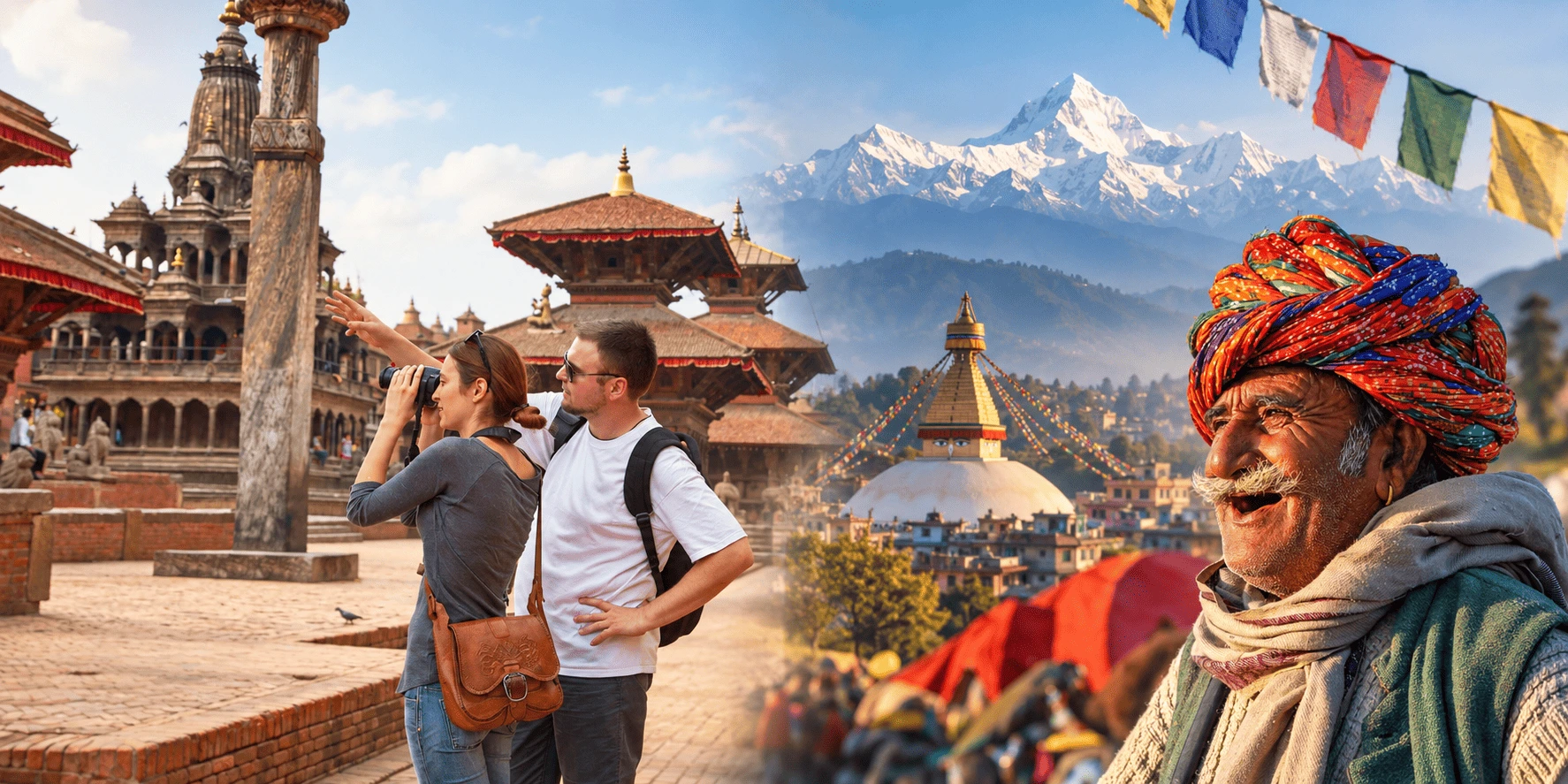
Planning your first trip to South Asia? India and Nepal are both great options but the experience in each country is quite different. India is huge and offers everything from historic cities, royal palaces, wildlife, backwaters to spiritual places. Nepal is smaller and is known for the Himalayas, mountain views, trekking, nature and its rich Hindu & Buddhist culture. In this blog, we will compare India vs Nepal by travel experience, history & culture, nature & adventure, food, travel time and the best time to visit.
A Quick Look Before You Choose
India and Nepal offer very different travel experiences so your choice depends on what you want to see and do. India is a large and diverse country with something for many types of travelers. You can visit famous monuments, explore busy cities and colorful markets, try different regional foods, see wildlife, relax on beaches or enjoy the peaceful backwaters of Kerala. You can also explore forts, palaces, temples and spiritual destinations.Nepal is best known for its Himalayan landscapes, trekking routes, peaceful nature, ancient temples, monasteries and traditional villages. Popular places such as Kathmandu and Pokhara can be combined within a shorter trip. It makes Nepal easier to explore when you have limited time.
Browse Nepal tour packages to discover the Himalayas, vibrant culture and natural beauty.
What Can You Expect from Each Destination?
India Nepal itinerary, each has their own character, from busy cities & historic cities of India to the mountain landscapes & outdoor adventures of Nepal.What to Expect in India
India can be busy, colorful and full of life. Different regions have their own food, traditions, languages and styles of architecture.- Busy cities: Delhi and other cities combine modern life with historic areas, markets, restaurants and busy streets.
- Historic monuments: Visit famous places such as Taj Mahal, Qutub Minar, ancient temples and historic forts.
- Different cultures: India has many languages, festivals, traditions and local customs that change from one region to another.
- Indian food: Every region has its own special dishes, flavors and cooking styles.
- Beaches & backwaters: Goa offers beaches, while Kerala is known for green landscapes, peaceful backwaters and houseboat stays.
- Wildlife: Places such as Ranthambore offer safaris where you may see tigers, deer, birds and other animals.
- Forts, palaces and temples: Rajasthan is known for grand forts and palaces, while other parts of India have beautiful temples and religious sites.
What to Expect in Nepal
Nepal offers a quieter travel experience, especially for people who enjoy mountains, nature and outdoor activities.- Himalayan landscapes: Nepal is famous for its mountain scenery with beautiful views around places such as Pokhara.
- Mountain villages: Travel outside the main cities to see smaller villages and enjoy views of the surrounding mountains.
- Trekking and hiking: Nepal has many trekking and hiking routes, from shorter walks to longer mountain adventures.
- Kathmandu Valley: Kathmandu, Bhaktapur and Patan are known for historic temples, courtyards, stupas and traditional buildings.
- Lake & nature: Pokhara is known for Phewa Lake, green hills and views of the Himalayas.
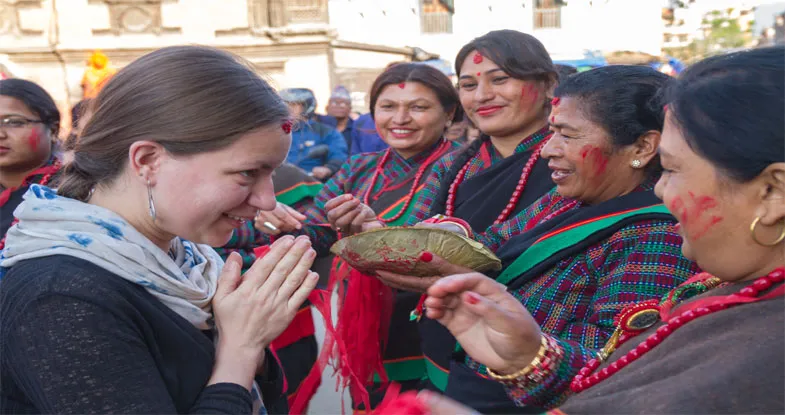
- Hindu & Buddhist traditions: Temples, monasteries, shrines and religious festivals are an important part of local life.
India vs Nepal: A Journey Through History & Culture
India and Nepal have centuries of history with traditions and beliefs that are still an important part of daily life. However, their cultural backgrounds and historical influences are different.India has a long and diverse history shaped by ancient kingdoms, different religions, royal dynasties, the Mughal period and British rule. This history can be seen in its architecture, art, festivals, food, music and religious traditions. Hinduism, Buddhism, Jainism, Sikhism, Islam and other faiths have all influenced Indian culture over the centuries.
Nepal has a strong connection with Hindu and Buddhist traditions. Its culture has been shaped by ancient kingdoms, Newari traditions, religious practices and Himalayan communities. Temples, monasteries, festivals, traditional music, local customs and family traditions continue to play an important role in everyday life. If history and culture are important to your trip, both countries offer plenty to discover but the experience is shaped by their different traditions and historical backgrounds.
Discover India’s rich culture, history, wildlife and diverse landscape with our India tours.
India vs Nepal: Nature & Adventure at Every Turn
Nepal vs India travel both offer endless opportunities for travelers who enjoy nature and outdoor activities.Nepal is especially popular for mountain scenery, hiking and trekking. You can enjoy short nature walks, visit mountain villages or take on longer trekking routes in the Himalayas. This country also has lakes, forests and peaceful countryside. If mountain and trekking are your main interests then Nepal offers many options.
India offers a much wider mix of landscapes and outdoor experiences. You can enjoy a tiger safari, explore the Himalayan regions, relax among the serene backwaters of Kerala or spend time on the beaches of Goa. Different parts of India offer very different experiences. If you want to combine nature with wildlife, beaches or other types of travel, India gives you more variety.
A Taste of India vs Nepal: Which Cuisine Will You Love?
Food is an important part of traveling in both India and Nepal. Each country offers a different experience.India is well-known for its huge variety of regional food. You can try North Indian curries and bread, South Indian dosas and idlis, spicy Rajasthani dishes, Bengali sweets and fresh Kerala specialities. Every region has its own flavors, ingredients and cooking styles.
Nepal has a simpler but interesting food culture. Dal Bhat Takari is a popular everyday meal while momos are a favorite among locals and tourists. In mountain areas, you can also find Tibetan-influenced dishes and hearty meals that suit the cooler climate. If food variety is important to your trip then India offers more regional choices as compared to Nepal.
India or Nepal: Which is Easier for Your First Adventure?
The easier choice depends on the type of trip you are looking for. Nepal is a smaller country so it can be easier to cover popular places in a short holiday. For example, Kathmandu and Pokhara can fit comfortably into a one-week trip. It gives you a mix of nature, culture and mountain views. On the other hand, India is much larger so traveling between destinations can take more time. However, its size also means you have many more options. For a first trip, it is better to choose one region rather than trying to see too much. The Golden Triangle covers Delhi, Agra & Jaipur which is a practical route for first-time visitors.How Long Should You Spend in India or Nepal?
The ideal trip length for India or Nepal depends on how much you want to see and do.India
- 7 days: A Golden Triangle trip covering Delhi, Agra and Jaipur gives you a good introduction to India.
- 10-14 days: You can add parts of Rajasthan or include Varanasi for a different cultural and spiritual experience.
- 2-3 weeks: With more time, you can combine several regions and enjoy a wider range of experiences.
Nepal
- 5-7 days: Kathmandu and Pokhara are a good combination for a shorter trip.
- 8-12 days: You can combine cultural attractions with hiking, trekking or more time in nature.
- 2 weeks or more: A longer trip gives you more time for trekking and exploring different parts of Nepal.
India vs Nepal: Which Season Suits Your Trip?
The best time to visit depends on your destination and the type of experience you want. For many parts of India October to March is a popular travel season. These months are comfortable for destinations such as Delhi, Agra, Rajasthan and Varanasi. Southern India has different weather patterns so the ideal months can vary depending on your route. For Nepal, October and November are popular for trekking with clear skies and good mountain views. March to May is another good period for trekking and outdoor activities. Weather can change quickly so always check local conditions before planning your trip.Experience more of South Asia with our Beyond India tours.